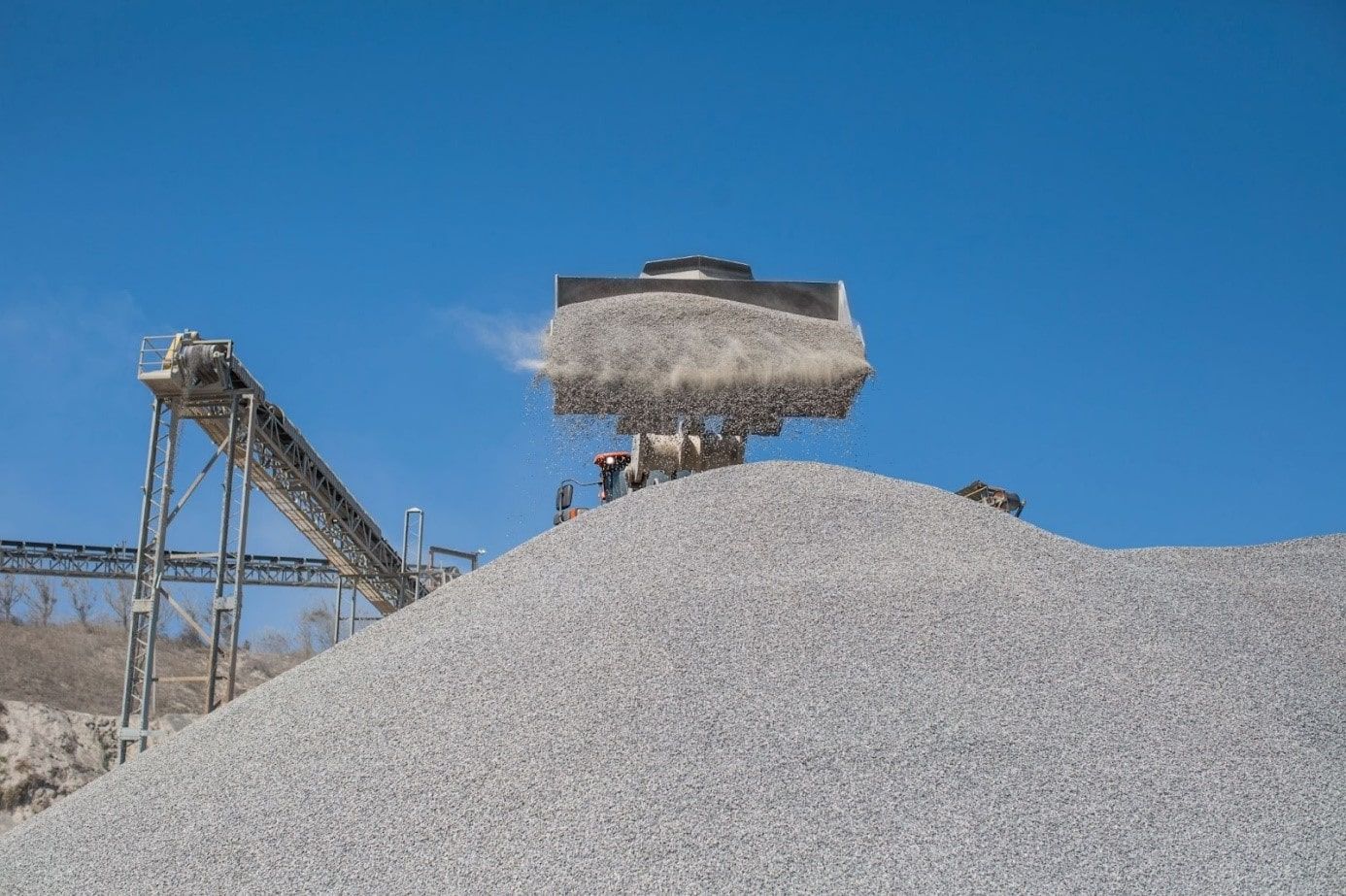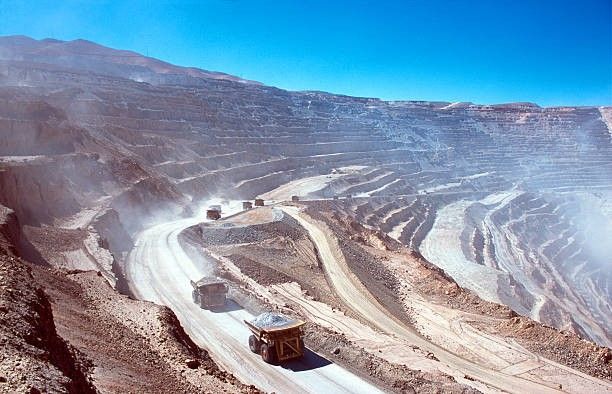
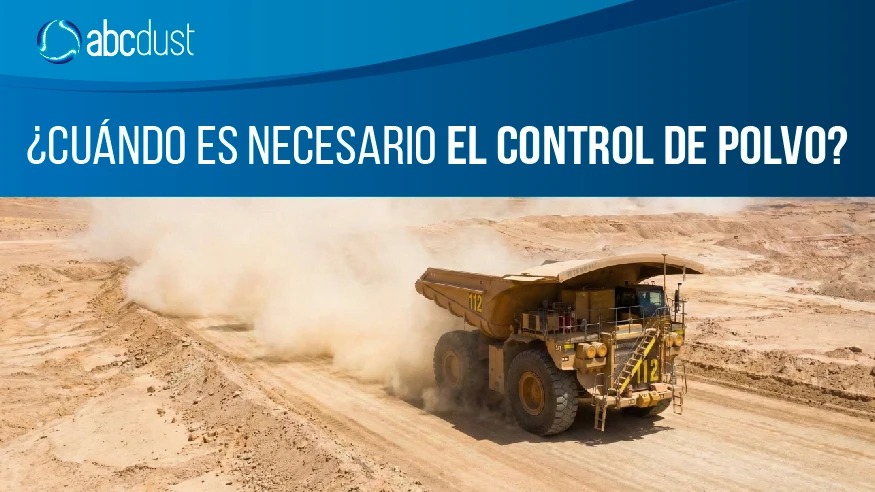
Airborne dust is much more than a nuisance: it is a direct risk to the health, safety and efficiency of operations. In industrial and mining environments, fine particles can cause respiratory disease, reduce visibility and increase the likelihood of accidents. They also have a negative impact on nearby communities and the environment.
Dust control becomes essential in scenarios such as:
- Mining and construction: during blasting, crushing, material haulage and tailings management.
- Agriculture: where dust affects crops, livestock and water sources.
- Unpaved roads: constant vehicle traffic generates dust clouds that degrade infrastructure and the quality of life of communities.
- Industrial and urban settings: where particle build-up compromises air quality and occupational safety.
In all of these cases, implementing control measures not only protects health but also optimizes productivity and reduces operating costs.
The economic impact of dust
Beyond regulatory compliance, dust control is an investment with a very clear return for the operation. Experience at mine sites shows that:
- It can generate up to USD 25 in return for every USD 1 invested in dust control.
- Road maintenance costs can be cut by more than 50%.
- There are significant fuel and water savings in water trucks.
- Stoppages due to excess dust and speed reductions for haul trucks (CAEX) decrease.
- It helps reduce the risk of critical incidents, such as conveyor belt fires caused by dust pollution in the crushing area.
- A single day of production stoppage at a medium or large operation can cost between USD 8 and 12 million, so every event avoided has an enormous economic impact.
Seen this way, dust control stops being a cost and becomes a key tool for risk management and economic efficiency.
Innovative solutions for a global challenge
Today, companies are looking for alternatives that are efficient, sustainable and adaptable to different contexts. In this regard, specialized companies such as ABCDust have developed technologies that make it possible to tackle the problem comprehensively.
Their key contributions include:
- Biodegradable suppressants and soil stabilizers, which reduce dust emissions and extend the service life of roads and surfaces.
- Smart application systems, which optimize the use of water and additives, lowering costs and resource consumption.
- Real-time particulate monitoring, which makes it easier to adjust control strategies to operating conditions.
- Digital management platforms, which integrate operational, weather and soil data for more accurate decision-making.
These solutions enable organizations to comply with environmental regulations, protect their workers and enhance their corporate reputation by demonstrating a genuine commitment to sustainability and business efficiency.
In short, dust control is necessary whenever health, safety and sustainability are at stake. In mining, agriculture and infrastructure, ignoring this challenge can have serious consequences, both human and economic. Adopting technologies such as those offered by ABCDust shows that it is possible to reduce emissions, save resources and operate responsibly, turning dust control into a strategic investment rather than an expense.