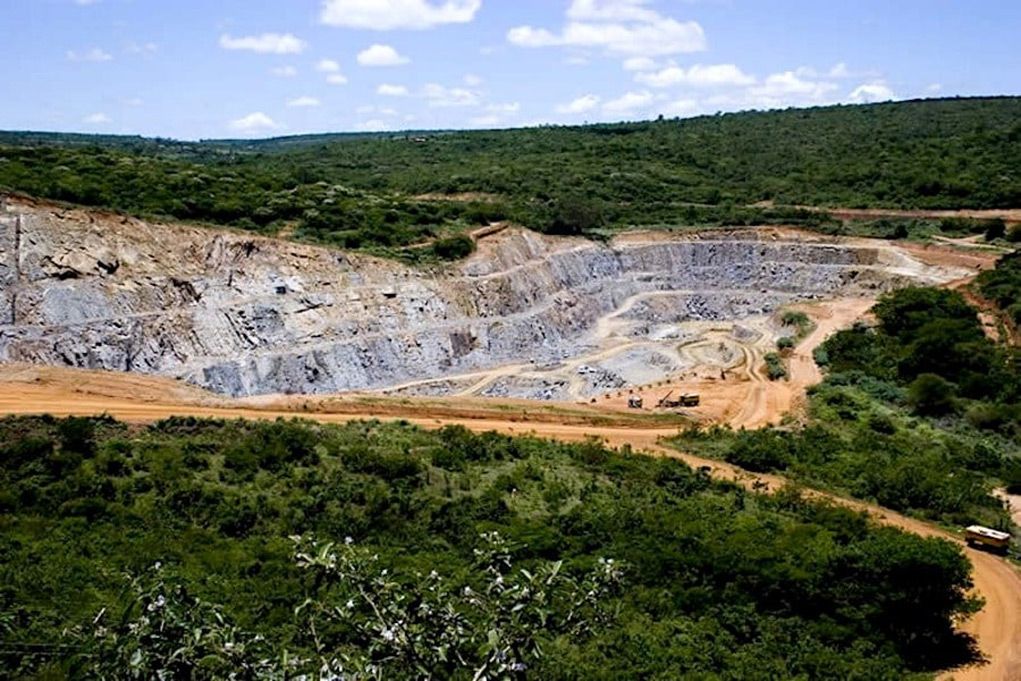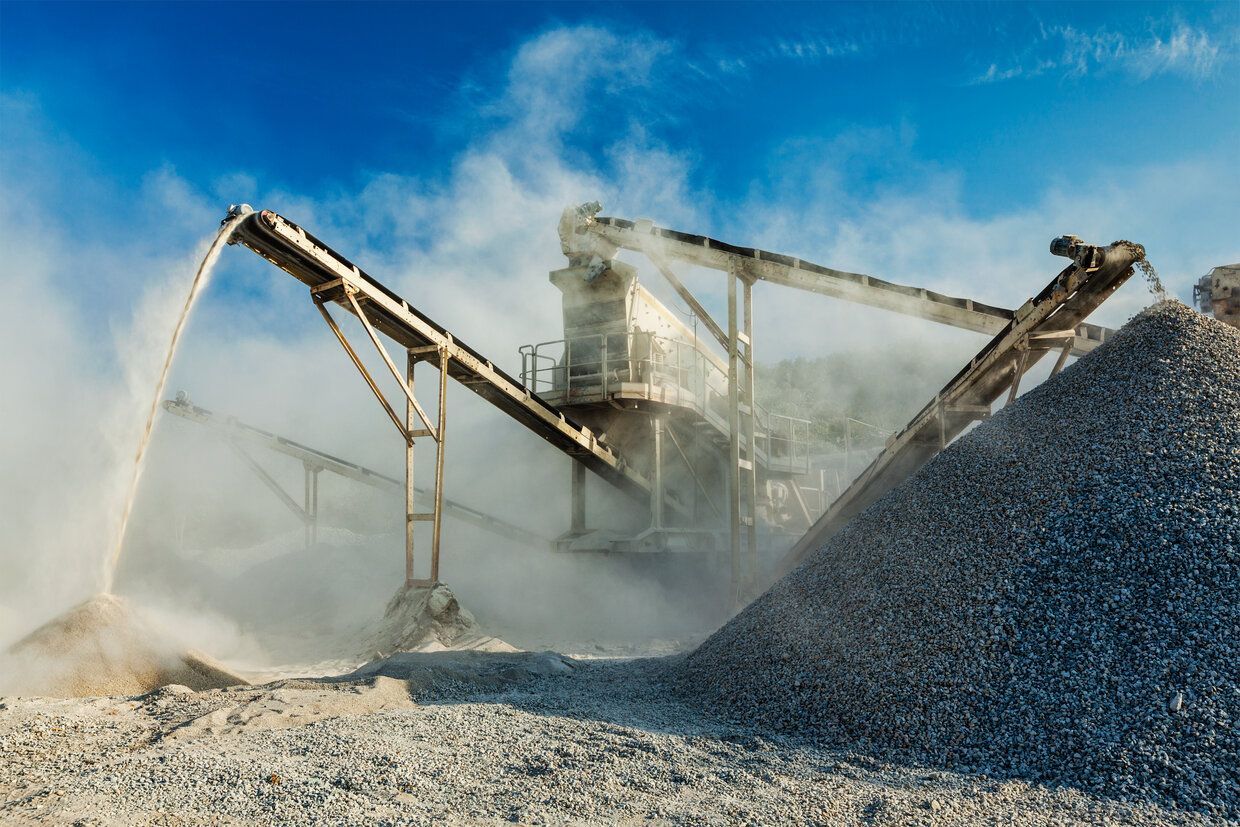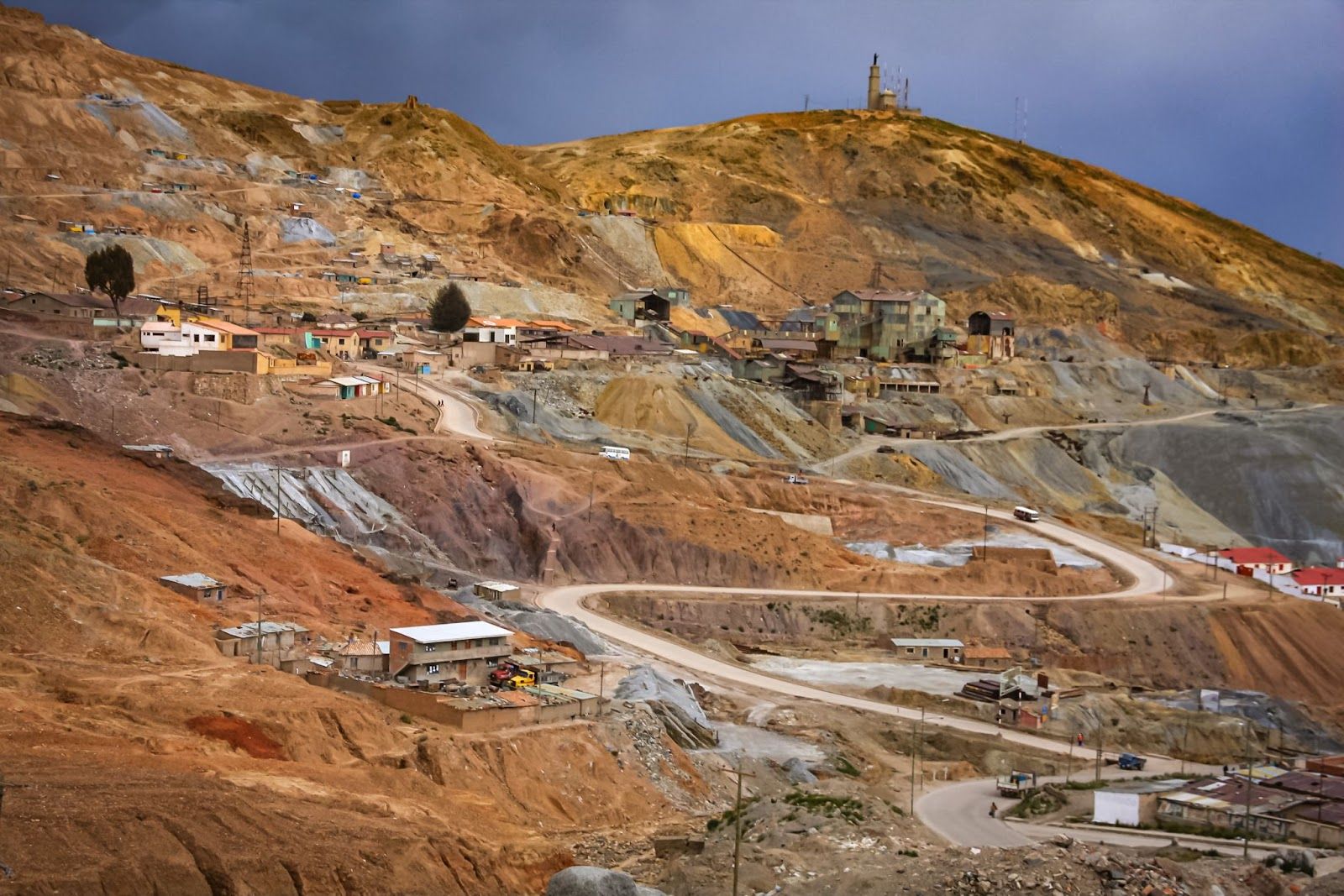
Global warming is an undeniable reality affecting the entire planet, and Brazil is no exception. Rising temperatures and shifting climate patterns have a significant impact on the country’s mining industry. From water availability to worker safety, the challenges are many. Dust control is a persistent problem in mining operations, affecting not only productivity but also worker health and the local environment. Dust generation can have adverse effects on air quality and contribute to public health problems.
What is the impact of global warming on dust control?
1. Rising temperatures and drier conditions:
Global warming leads to higher average temperatures, which can result in drier, hotter conditions and increased evaporation of water, a key component of the main dust suppression treatments. This translates into a loss of effectiveness and durability across the various control methods.
2. Altered precipitation patterns: Global warming can alter precipitation patterns. Changes in rainfall patterns can affect the amount of dust produced. Longer, drier seasons can increase the amount of airborne dust, while wetter seasons can help settle it. Likewise, low rainfall can lead to water scarcity, reducing the availability of water as a suppressant and increasing the need for low-water-consumption solutions.
3. Changes in wind patterns: Climate change can modify wind patterns, which would affect the dispersion of dust in mining. Higher wind speeds and changes in wind direction can spread dust over larger areas and shift the receptor zones.
4. Operational changes: Water scarcity can lead to the adoption of techniques such as dry tailings, increasing the dust emissions they generate unless they are treated in a timely manner with polymers, stabilizers and dust suppressants, or with revegetation.
5. Changes in vegetation: Droughts and rising temperatures reduce vegetation cover. This reduces the natural dust control that plants provide by stabilizing the soil and holding back the wind.
6. Regulatory changes: In response to the environmental impacts amplified by climate change, regulations on dust control and emissions in mining may become stricter, requiring additional investment and changes in mining practices.
7. Economic impacts: The costs associated with dust control may rise due to the need to implement more advanced technologies or alternative methods in response to the challenges posed by climate change, and to incorporate monitoring and optimization systems for dust control programs that allow them to adapt to climate change over time.
ABCDust: Our Contribution to Sustainable Mining.
At ABCDust, we are committed to helping Brazil’s mining industry meet these challenges. Here are some of the ways we help mitigate the impact of global warming and control dust in mining operations:
- Innovative technology: We provide advanced dust control solutions that effectively reduce dust emissions, promoting a safer and cleaner work environment.
- Expert consulting: Our team of specialists provides technical guidance to identify critical dust generation areas and develop specific strategies to control them.
- Sustainability: We work collaboratively with mines to implement sustainable solutions that minimize environmental impact, such as clean energy generation and water reuse.
- Regulatory compliance: We help mines comply with environmental and safety standards in Brazil, avoiding fines and penalties.
- Research and development: We invest continuously in R&D to develop more efficient and cost-effective dust control technologies.
Learn more about ABCDust
Join the ABCDust community to fight climate change in the mining industry
Mitigating the impact of global warming and controlling dust in mining are complex challenges, but together we can make a difference. We invite you to join the conversation on this critical topic and explore how ABCDust can be your ally in this mission.